



Introduction: Why Green Tea Remains a Global Health Drink
Green tea benefits are widely recognized, with green tea celebrated globally as one of the healthiest beverages, owing to its rich nutrient profile and powerful phytochemicals. While traditionally consumed in Asian cultures for centuries, recent scientific studies have only strengthened its reputation as a wellness powerhouse. With rising interest in natural health solutions, green tea has become an essential part of healthy diets worldwide.
In this 2026 update, we break down the most surprising, science-backed reasons to add green tea to your daily routine — plus the latest stats, user-friendly tips, and answers to frequently asked questions. Whether your goal is weight loss, better heart health, or simply boosting your overall energy, this comprehensive guide will help you make green tea work for you.
What Is Green Tea? (Definition, Origins, and How It’s Made)
Green tea is a lightly processed tea made from the leaves of the Camellia sinensis plant. Unlike black or oolong teas, green tea is quickly steamed or pan-fired after harvest, locking in its natural antioxidants and phytonutrients.
Fun Fact: The popularity of green tea has skyrocketed. In 2024, global green tea production exceeded 2.3 million metric tons, accounting for over a third of all tea made worldwide.
Major Producing Countries
-
China (largest producer and exporter)
-
Japan
-
Vietnam
-
India
The Science Behind Green Tea’s Unique Nutrients
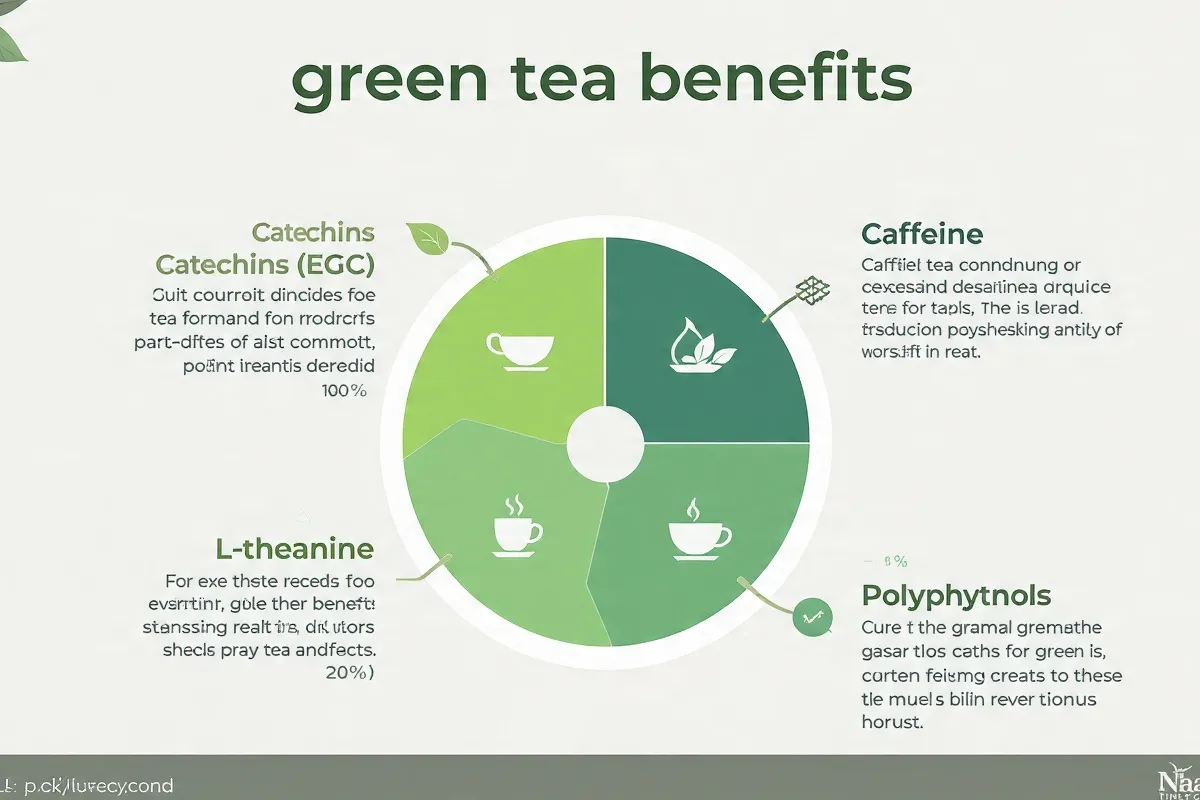
Green tea is a rich source of several bioactive compounds, which work together to provide health benefits:
-
Catechins (EGCG): The main antioxidant, epigallocatechin gallate (EGCG), is a potent plant compound linked to many health effects.
-
Caffeine: Present in moderate amounts, it acts as a mild stimulant, enhancing alertness and focus.
-
L-theanine: An amino acid known to promote calm and relaxation, balancing caffeine’s energizing effects.
-
Polyphenols: Including flavonoids, offer anti-inflammatory, antimicrobial, and anti-aging benefits.
Did you know? The catechins and polyphenols in green tea are more concentrated than in any other type of tea due to minimal processing.
Surprising Reason #1: Green Tea Benefits for Heart Health

Q: How does green tea help your heart?
A: Green tea lowers LDL (“bad”) cholesterol, raises HDL (“good”) cholesterol, and helps prevent artery damage. Its antioxidants protect against heart disease and support healthy blood pressure.
Heart Health Benefits
-
Reduces LDL cholesterol and triglycerides
-
Raises HDL cholesterol
-
Prevents oxidation of LDL particles (reducing artery plaque risk)
-
Supports healthy blood pressure (especially with 2-3 cups per day)
Stats
-
Studies show regular green tea drinkers have up to a 31% reduced risk of cardiovascular events like heart attacks and strokes.
-
Green tea’s polyphenols and catechins are key to these benefits.
Surprising Reason #2: Green Tea Boosts Weight Loss & Metabolism
How Green Tea Aids Weight Loss
-
Increases fat burning: EGCG helps break down fat and use it as energy.
-
Boosts metabolism: Green tea can increase the body’s calorie-burning rate (thermogenesis), even while at rest.
-
Supports healthy weight management: Several studies have found greater weight and fat loss in people who drink green tea regularly.
Quick Tips for Using Green Tea for Weight Loss
-
Drink 2-3 cups daily for best metabolic support.
-
Use unsweetened green tea to avoid extra calories.
Key Statistic
-
In a six-week study, obese participants lost more weight and fat drinking green tea compared to non-drinkers.
Surprising Reason #3: Powerful Antioxidants Fight Aging & Disease
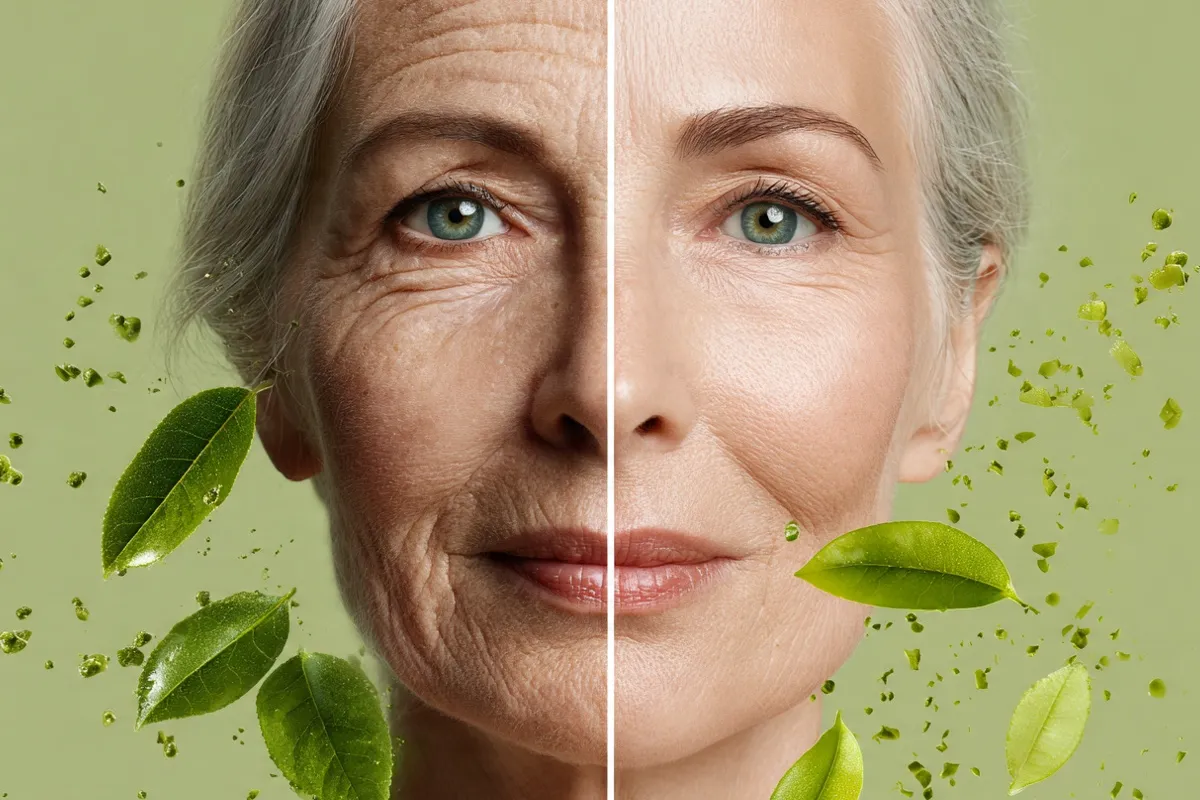
Q: What makes green tea so healthy?
A: Its catechins and polyphenols act as powerful antioxidants, neutralizing damage from free radicals and supporting cell.
Antioxidant Powerhouse
-
EGCG (epigallocatechin gallate): Linked to anti-aging, better skin, and reduced disease risk.
-
Slows cellular aging: Protects cells from oxidative stress that leads to aging and disabilities.
-
Promotes better recovery: Antioxidants aid in muscle recovery after exercise and protect organs from daily stress.
Skin Health Connection
-
Green tea’s antioxidants may reduce acne, protect against sun damage, and promote smoother skin.
Surprising Reason #4: Green Tea Helps Reduce Cancer Risk

Cancer Protection Properties
-
Blocks cancer cell growth: Polyphenols in green tea can inhibit the growth of various cancers and support natural cell death (apoptosis).
-
Top Cancers Studied: Breast, prostate, colorectal, and skin cancer risk are all reduced in green tea drinkers.
-
Boosts the body’s natural defense against cancer-causing agents.
Practical Example: In regions with high green tea consumption, cancer rates for some tumor types are statistically much lower than in areas where green tea is rare.
Surprising Reason #5: Green Tea Enhances Brain Function

How It Boosts the Brain
-
Caffeine + L-theanine: Combined effects improve attention, memory, and focus, but without the jitters common with coffee.
-
Protects brain cells: Green tea compounds are believed to slow age-related cognitive decline and may guard against Alzheimer’s and Parkinson’s diseases.
Study Highlight
-
Regular drinkers perform better on memory and reaction time tests, and report improved mood.
Surprising Reason #6: Anti-Inflammatory Action Defends Your Body
Inflammation Fighters
-
Catechins and polyphenols suppress the chemical pathways that cause chronic inflammation.
-
May ease joint pain from arthritis, reduce risk of heart and brain diseases, and help manage metabolic conditions.
Surprising Reason #7: Immune Support & Oral Health
Immune-Boosting Effects
-
Green tea has antiviral, antimicrobial, and antifungal actions.
-
Drinking green tea regularly can strengthen the immune system and reduce the risk of infections.
Oral Health Benefits
-
Catechins inhibit bacterial growth in the mouth, helping improve breath and reduce cavities, gum disease, and throat infections.
Additional Benefits: Blood Pressure, Skin, and Stress
-
Blood Pressure: Regular consumption is linked to healthier blood pressure levels.
-
Skin Health: Antioxidants fight premature aging, even potentially reducing wrinkles.
-
Stress Relief: L-theanine calms the mind, making green tea a great drink for relaxation and mental clarity.
Best Ways to Drink Green Tea and Get Green Tea Benefits for Maximum Results

Tips for Brewing and Consumption
-
Use freshly boiled water (not boiling hot): Ideal temp is 80-85°C (176-185°F).
-
Steep for 2-3 minutes: Longer steeping preserves antioxidants without making tea bitter.
-
Optimal quantity: 2-4 cups per day covers most health benefits.
-
Best times: Morning or early afternoon for an energy boost.
-
Avoid on an empty stomach if you have a sensitive gut.
Forms of Green Tea
-
Loose leaf tea (premium quality)
-
Tea bags
-
Matcha (powdered, concentrated)
-
Ready-to-drink bottled versions (choose unsweetened for best health effects)
Who Should Avoid Green Tea? (Precautions & Interactions)
Green tea is safe for most people but may not be suitable for everyone:
-
Pregnant or breastfeeding women: Limit intake due to caffeine.
-
People with anemia: High consumption may reduce iron absorption.
-
Those on blood thinners: Green tea can interfere with certain medications (consult your doctor).
-
Sensitive to caffeine: Choose decaf varieties or limit to mornings.
Recent Global Trends: Consumption, Market Growth, and Fun Facts
-
The global green tea market is booming, driven by a demand for healthier beverage options. In 2024, global production surpassed 2.3 million metric tons — up from 2.1 million in 2021.
-
Consumption is highest in Asia, especially in China and Japan, but is rapidly growing in North America and Europe.
-
Younger generations are opting for RTD (ready-to-drink) and flavored green teas for taste and convenience.
-
Americans now drink over 585 million gallons of green tea annually.
Conclusion
Green tea is far more than a simple beverage — it’s a potent health elixir backed by modern science and centuries of tradition. Whether you’re looking to support your heart, lose weight, boost your brain, or fortify your body’s defenses, green tea delivers real, measurable benefits.
Ready to transform your health? Start by adding a cup or two of green tea to your daily routine. Try different varieties, experiment with flavors, and share your experience for added motivation. Don’t forget to choose high-quality, organic options whenever possible for maximum health returns.
FAQs About Green Tea

Q1: How many cups of green tea should I drink in a day for optimal health?
A: Most experts suggest 2-4 cups daily for noticeable benefits, but even 1 cup can make a difference.timesofindia.indiatimes+1
Q2: Does green tea contain caffeine?
A: Yes, green tea contains less caffeine than coffee but enough to boost energy and focus. A standard cup contains about 25-35 mg of caffeine.
Q3: Can green tea help me lose belly fat?
A: Green tea supports overall fat burning and weight management, especially when combined with a healthy diet and exercise, but it’s not a magic solution for belly fat alone.
Q4: Is matcha better than regular green tea?
A: Matcha is a powdered green tea made from whole leaves, offering a stronger dose of antioxidants and nutrients. Both have major health benefits!
Q5: What is the best time to drink green tea?
A: Mornings or before exercise are ideal. Avoid drinking right before bed, as caffeine may disturb sleep.
Q6: Are there any side effects of green tea?
A: Large amounts can cause stomach upset, sleep issues, or interact with medications. Moderation is key for most people.
Q7: Does green tea help improve skin?
A: Yes! Green tea’s antioxidants protect against aging and may help with acne and sun damage.
Ready to experience the powerful health benefits of green tea? Start brewing your perfect cup today and enjoy a revitalized, healthier you!