

Understanding Iron and Why It Matters
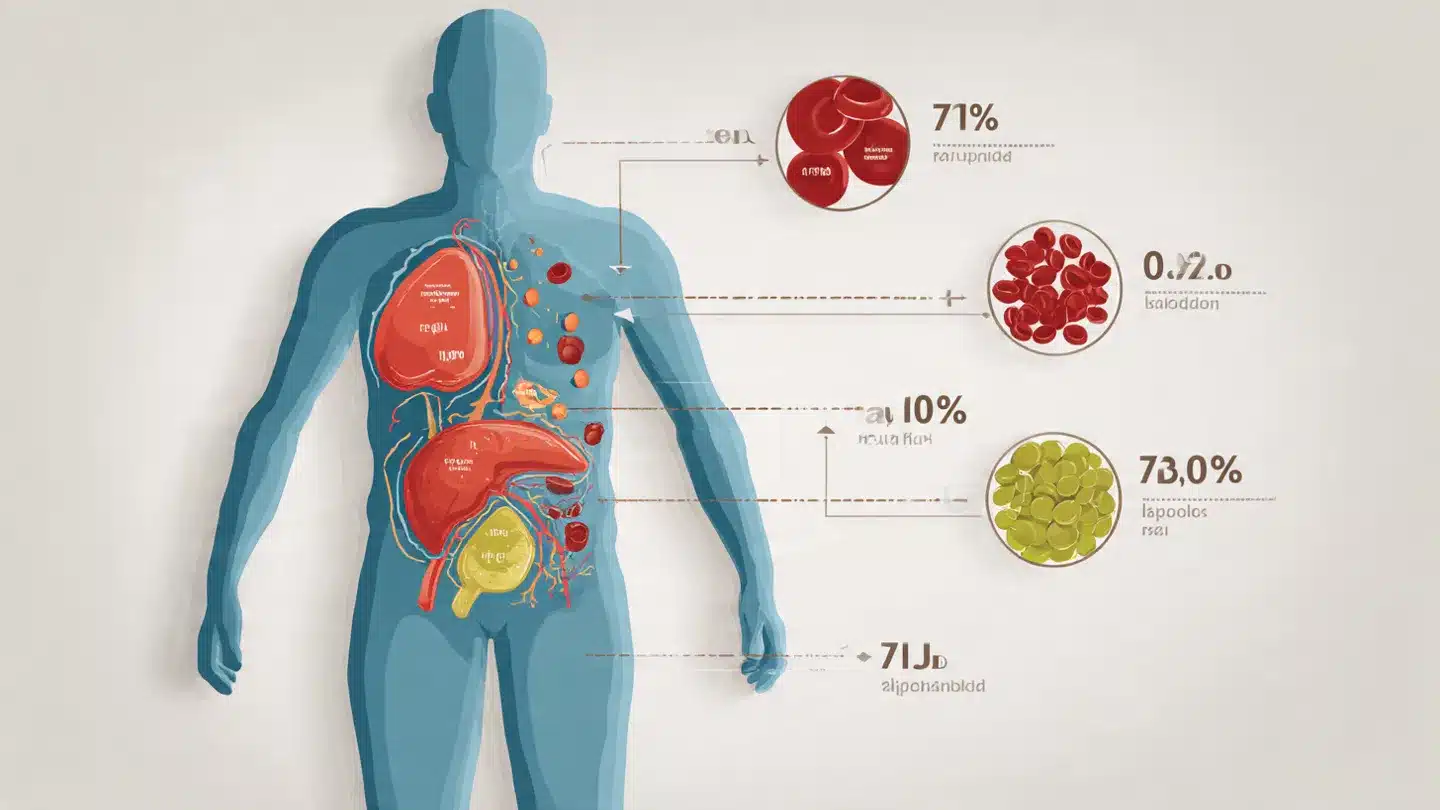
Before we dive into the symptoms, let’s talk about why iron is so important for your body. Iron serves several critical functions beyond just carrying oxygen. It supports your immune system, helps your brain function properly, and plays a role in energy production at the cellular level.
Your body stores iron primarily in red blood cells, but also in your liver, spleen, and bone marrow. When these iron stores become depleted, your body can’t produce enough healthy red blood cells. This condition is called iron deficiency anemia, and it’s the most common type of anemia affecting people of all ages.
The concerning part? Many people don’t realize they have low iron levels until iron deficiency symptoms become severe enough to interfere with work, exercise, and daily activities.
Common Iron Deficiency Symptoms You Should Know
Understanding iron deficiency symptoms is the first step toward getting help. Here are the most common signs that your body might be running low on iron:
Extreme Fatigue and Persistent Weakness

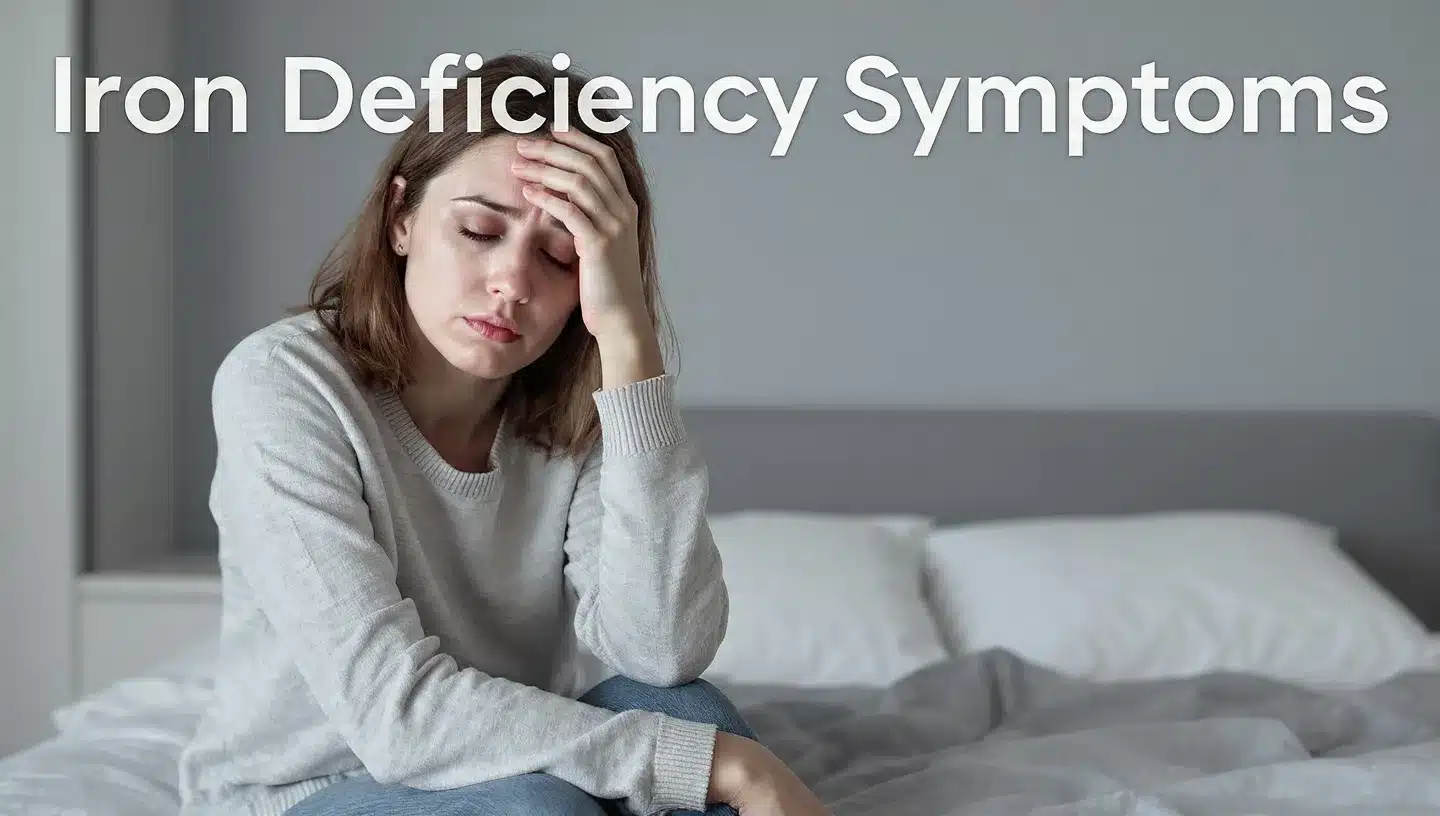
The most telltale iron deficiency symptoms is overwhelming fatigue that doesn’t improve with rest. This isn’t the tiredness you feel after a long workday—it’s a deep, bone-weary exhaustion that makes even simple tasks feel difficult. Your muscles may feel weak, and climbing stairs or exercising might leave you unusually breathless.
This happens because without enough iron, your red blood cells can’t deliver adequate oxygen to your muscles and tissues. Your body has to work harder to complete basic tasks, draining your energy reserves.
Pale or Yellowing Skin

Take a closer look at your skin and the inner eyelids—do they appear noticeably pale or yellowish? This is a classic sign of iron deficiency symptoms because your body has fewer healthy red blood cells carrying oxygen. Pale skin is particularly noticeable in the face, lips, and fingernail beds.
Some people also notice a “sallow” appearance, where their skin takes on a slightly grayish or yellowish tone. This occurs because reduced oxygen in the blood changes how your skin appears to the naked eye.
Shortness of Breath and Chest Discomfort

One of the more alarming iron deficiency symptoms is unexplained shortness of breath, especially during physical activity. You might notice you’re gasping for air after climbing a few stairs or during a light jog—activity that used to feel easy.
In some cases, people experience chest pain or pressure, rapid heartbeat, or a sensation of heart palpitations. While these can signal various conditions, they’re commonly associated with iron deficiency symptoms because your heart works overtime to pump oxygen-depleted blood throughout your body.
Headaches, Dizziness, and Lightheadedness
When your brain isn’t receiving enough oxygen-rich blood, you may experience frequent headaches or persistent migraines. Many people don’t immediately connect their headaches to iron deficiency symptoms, but research shows a strong link between low iron and increased migraine frequency.
Dizziness and lightheadedness are also common iron deficiency symptoms, particularly when you stand up quickly or exercise. Some people report feeling faint or unsteady, which can increase the risk of falls.
Changes in Your Hair, Skin, and Nails
Your appearance can reveal a lot about your iron levels. Iron deficiency symptoms often show up as:
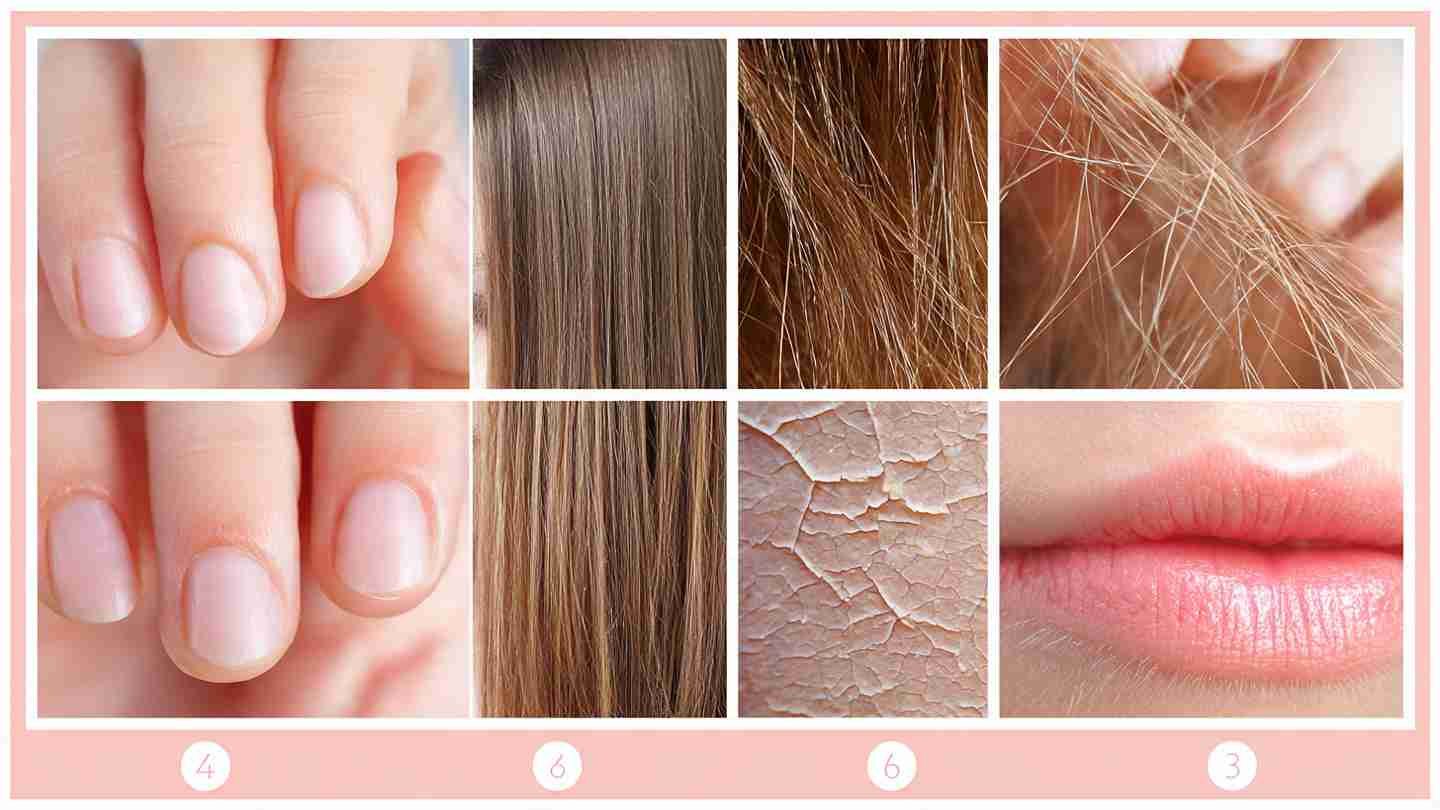
- Brittle nails that break easily or develop ridges
- Nail beds that appear very pale
- Hair loss or thinning hair that seems to shed excessively
- Dry, scaly skin that doesn’t improve with moisturizer
- Cracks at the corners of your mouth that won’t heal
These changes occur because iron supports the production of collagen and keratin, proteins essential for healthy hair, skin, and nails. Without adequate iron, your body deprioritizes these cosmetic tissues in favor of keeping vital organs functioning.
Cold Hands and Feet
If you’re always reaching for extra layers or struggling with chronically cold extremities, this could be among your iron deficiency symptoms. Poor circulation and reduced oxygen delivery cause your body to restrict blood flow to your hands and feet to preserve oxygen for vital organs.
Problems with Concentration and Memory
Your brain uses about 20% of your body’s oxygen supply. When iron deficiency symptoms develop, cognitive function often suffers. You might experience:
- Difficulty concentrating at work or school
- Brain fog or mental cloudiness
- Poor memory or forgetfulness
- Slower thinking or processing
- Difficulty making decisions
Many people dismiss these as stress-related until they discover their low iron levels are the culprit.
Unusual Cravings (Pica)
One particularly distinctive set of iron deficiency symptoms involves cravings for non-food items. This condition is called pica, and people with severe iron deficiency may crave:
- Ice chips or crushed ice
- Dirt or clay
- Starch or chalk
- Cornstarch
These cravings appear to be your body’s way of seeking minerals, though eating these substances won’t actually help your iron levels and can potentially cause problems.
Who Is Most at Risk for Iron Deficiency?
While anyone can develop low iron levels, certain groups face higher risk. Understanding whether you fall into a high-risk category can help you monitor for iron deficiency symptoms more carefully.
Women of Childbearing Age
Women aged 19-50 need about 18 milligrams of iron daily—significantly more than the 8 milligrams men need. Menstruation causes monthly iron loss, and many women don’t consume enough iron in their diet to compensate. If you experience heavy periods, your risk for developing iron deficiency symptoms increases substantially.
Pregnant and Breastfeeding Women
Pregnancy dramatically increases iron requirements to about 27 milligrams daily as your blood volume expands to support your growing baby. Breastfeeding mothers also need elevated iron levels. Many pregnant women discover iron deficiency symptoms during routine prenatal blood work.
Vegetarians and Vegans
Plant-based diets can provide iron, but the type of iron in plant foods (non-heme iron) isn’t absorbed as efficiently as the iron in animal products (heme iron). Vegetarians and vegans must be particularly mindful of consuming adequate iron-rich foods and monitoring for iron deficiency symptoms.
People with Digestive Issues
Conditions like Crohn’s disease, celiac disease, and ulcerative colitis interfere with nutrient absorption. People with low stomach acid due to aging or certain medications also struggle to absorb dietary iron. If you have digestive problems, watch closely for iron deficiency symptoms.
Athletes, Especially Endurance Athletes
Intense exercise increases iron loss through sweat and can damage red blood cells. Female athletes face particular risk because they combine exercise-related iron loss with menstrual blood loss.
The Progression of Iron Deficiency: Stages and Timeline
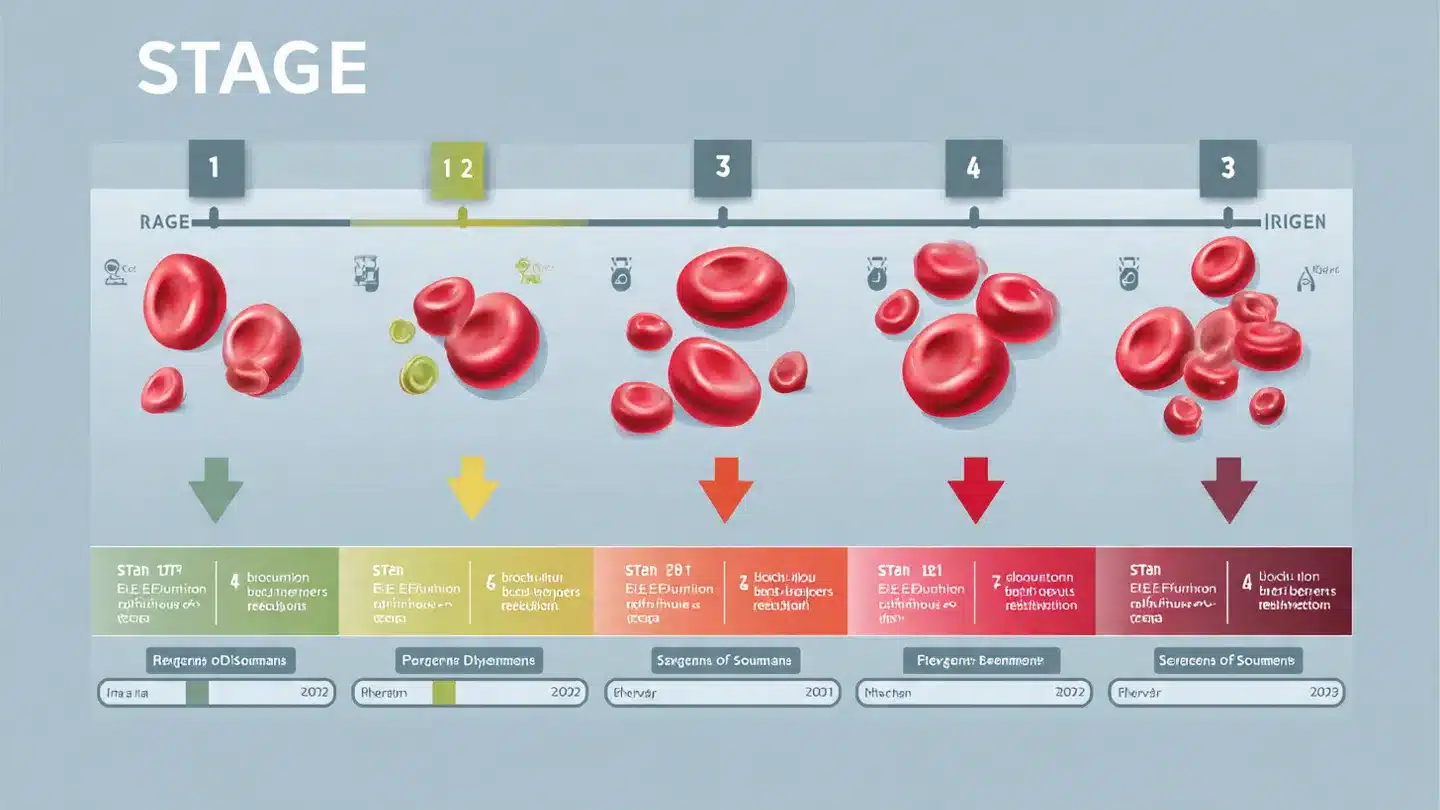
Iron deficiency symptoms don’t appear overnight—they develop progressively as your iron stores become depleted. Understanding these stages helps you recognize early warning signs before reaching severe anemia.
Stage 1: Iron Depletion
Your body begins using stored iron reserves, but your blood iron levels remain normal. At this stage, most people have no obvious iron deficiency symptoms. Your body is compensating well, and blood tests might still show normal results.
Stage 2: Iron-Deficient Erythropoiesis
Your stored iron is nearly gone, and your body can’t produce enough healthy red blood cells. You might notice subtle iron deficiency symptoms like mild fatigue or reduced exercise tolerance. This is when blood tests typically show decreased iron levels.
Stage 3: Iron Deficiency Anemia
With inadequate iron to produce healthy red blood cells, you develop anemia and experience noticeable iron deficiency symptoms including fatigue, weakness, shortness of breath, and pale skin. This stage requires medical intervention.
Stage 4: Severe Anemia
If untreated, iron deficiency symptoms become severe and can cause serious complications including heart problems, infections, and pregnancy complications.
How to Identify Iron Deficiency: Testing and Diagnosis
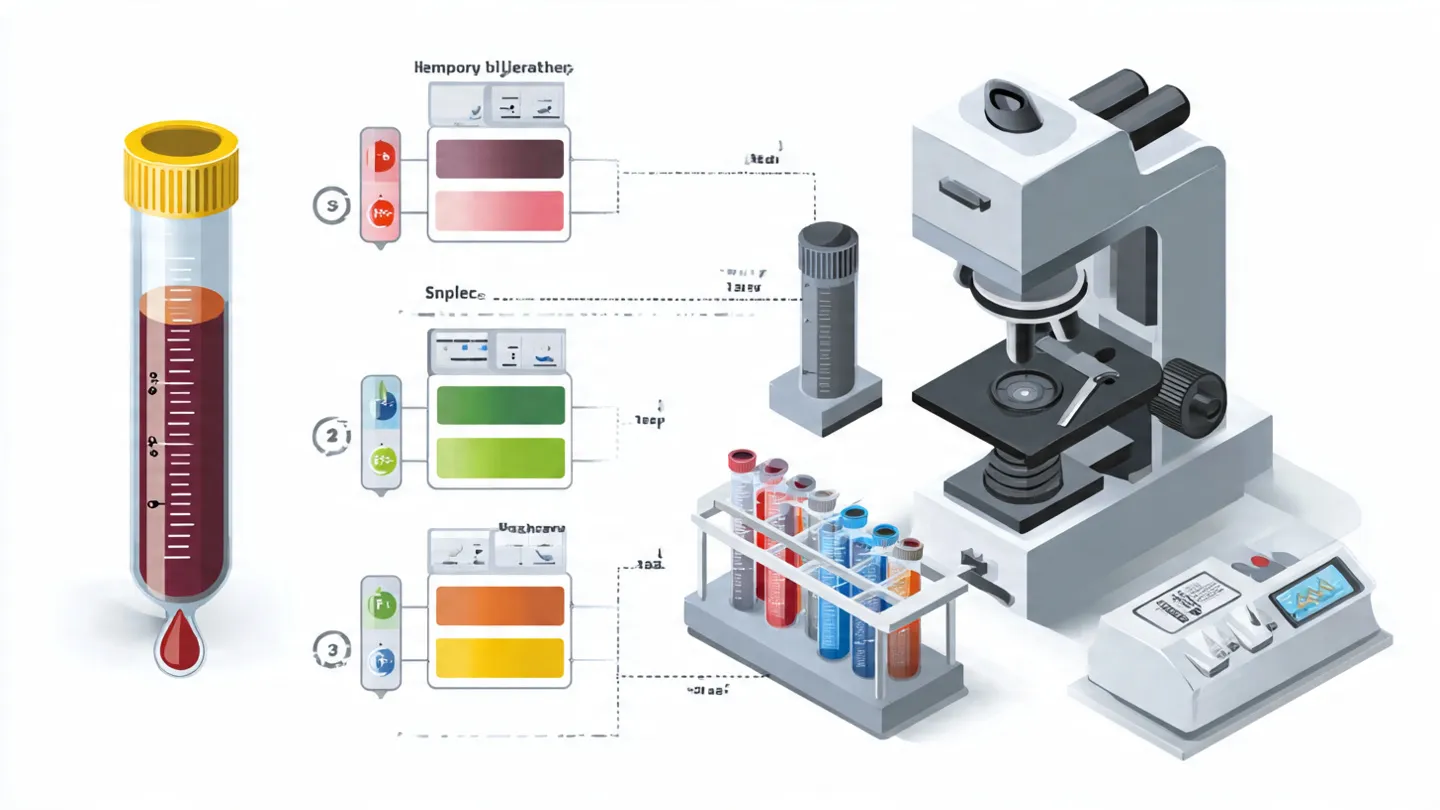
If you suspect iron deficiency symptoms, several blood tests can confirm your suspicion:
Hemoglobin Test
This measures the protein in red blood cells that carries oxygen. Low hemoglobin indicates anemia, though further testing is needed to confirm iron deficiency specifically.
Hematocrit Test
This measures the percentage of your blood that consists of red blood cells. Low hematocrit often accompanies iron deficiency symptoms.
Serum Iron and Ferritin Tests
These tests measure the amount of iron in your blood and how much iron your body has stored. Low levels confirm iron deficiency as the cause of your symptoms.
Iron Binding Capacity Test
This measures how well your blood can transport iron, providing additional confirmation of iron deficiency symptoms.
Your doctor might recommend all these tests if you’re experiencing iron deficiency symptoms to get a complete picture of your iron status.
Addressing Iron Deficiency: Natural and Medical Solutions
Once you’ve confirmed iron deficiency symptoms and received a diagnosis, several approaches can help restore your iron levels.
Dietary Changes to Boost Iron Intake
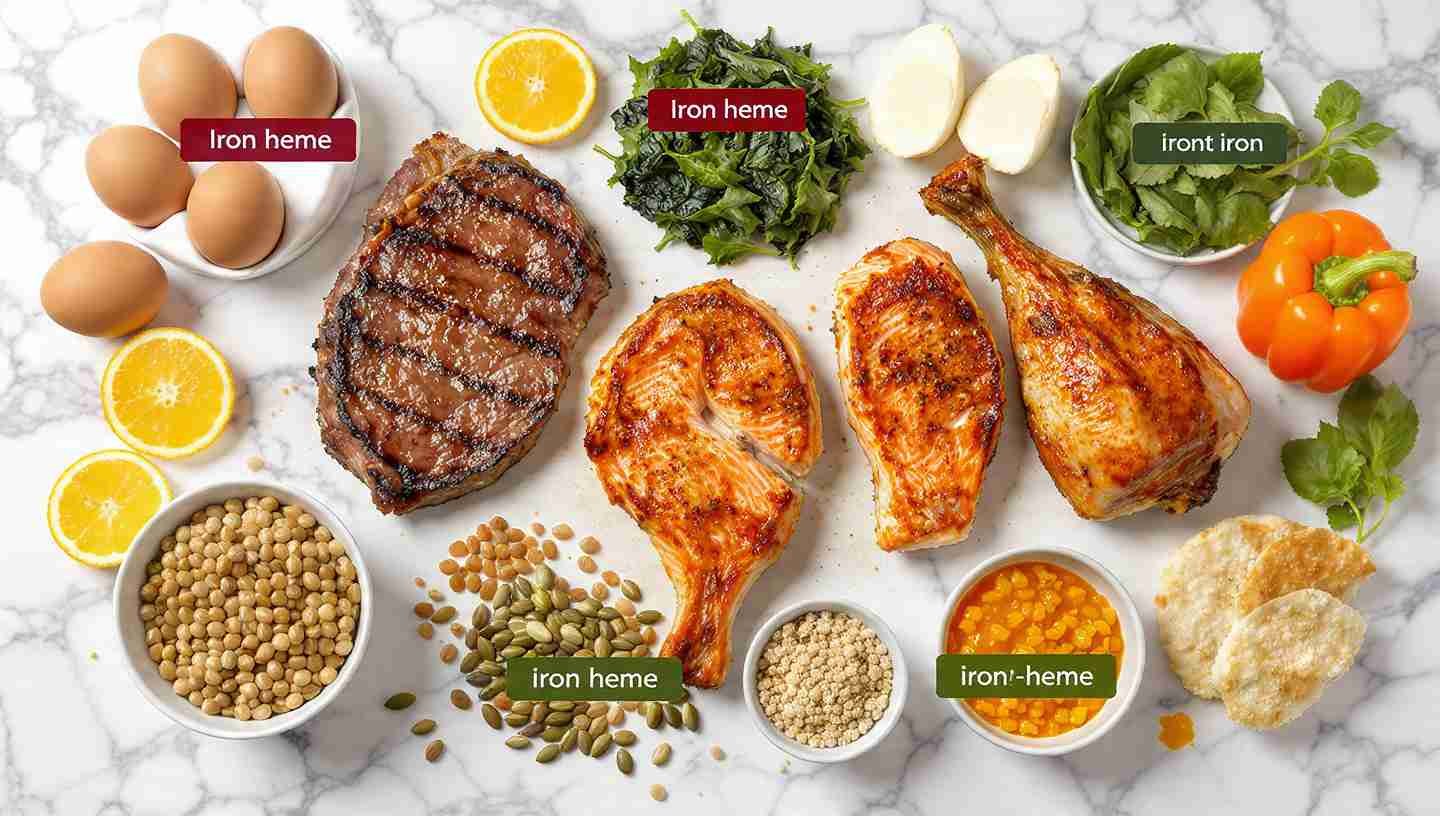
The most natural way to address iron deficiency symptoms is through your diet. Focus on iron-rich foods:
- Red meat (beef, lamb): Highest heme iron content
- Poultry (chicken, turkey): Good heme iron source
- Fish and seafood (salmon, tuna, oysters): Excellent iron content
- Eggs: Contain some heme iron
- Beans and lentils: Plant-based option
- Leafy greens (spinach, kale): Contain non-heme iron
- Fortified cereals: Often contain added iron
- Pumpkin seeds: Iron-rich snack
Pair iron-rich foods with vitamin C sources (citrus fruits, tomatoes, bell peppers) to improve absorption of non-heme iron from plant sources.
Iron Supplements
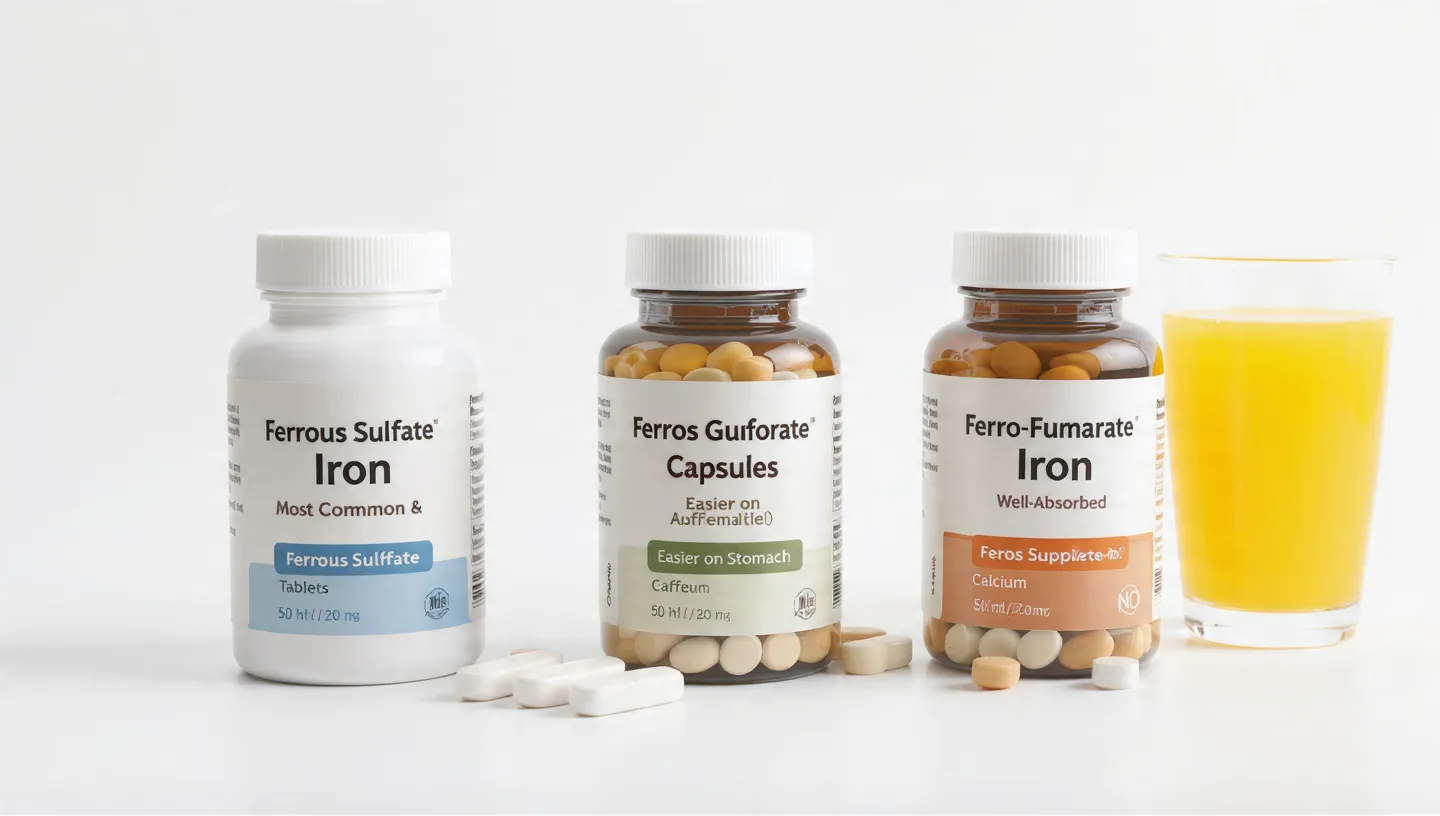
If dietary changes alone don’t resolve iron deficiency symptoms, your doctor may recommend iron supplements. These come in various forms:
- Ferrous sulfate (most common and affordable)
- Ferrous gluconate (easier on the stomach)
- Ferrous fumarate (well-absorbed)
Take supplements with orange juice or vitamin C to enhance absorption, and avoid taking them with calcium or caffeine, which interfere with iron absorption.
Treating Underlying Causes
If your iron deficiency symptoms stem from heavy menstrual bleeding, your doctor might recommend hormonal birth control. If digestive issues are the culprit, addressing those conditions helps your body absorb iron more effectively. If you have bleeding ulcers, treating those resolves the iron loss.
Preventing Iron Deficiency in the Future
Once you’ve addressed iron deficiency symptoms, prevention becomes important:
- Eat a balanced diet with regular iron-rich foods
- Monitor your intake if you follow a vegetarian or vegan diet
- Use cast iron cookware (cooking in iron pans adds iron to your food)
- Have regular checkups to monitor your iron levels
- Address digestive issues promptly to maintain nutrient absorption
- If you menstruate heavily, discuss management options with your doctor
FAQ: Your Questions About Iron Deficiency Symptoms Answered
Q: How quickly do iron deficiency symptoms develop?
A: Iron deficiency symptoms develop gradually over weeks to months as your iron stores become depleted. Some people notice fatigue first, while others become aware of symptoms only when they’re severe. Regular blood work can catch iron deficiency before symptoms appear.
Q: Can iron deficiency symptoms cause permanent damage?
A: Untreated iron deficiency can lead to serious complications including heart problems and pregnancy complications. However, once you address the iron deficiency and treat iron deficiency symptoms, most damage is reversible with appropriate treatment.
Q: Are iron deficiency symptoms the same for everyone?
A: No, iron deficiency symptoms vary between individuals. Some people experience primarily fatigue, while others notice cognitive changes or appearance changes first. The severity depends on how low your iron levels have dropped and how quickly the deficiency developed.
Q: Can I take too much iron?
A: Yes, iron supplementation requires caution. Excess iron can damage your organs, especially your heart and liver. This is why iron supplements should be prescribed by a doctor rather than taken without medical guidance. Never give iron supplements meant for adults to children without medical supervision.
Q: How long does it take to recover from iron deficiency?
A: It typically takes 3-6 months of iron supplementation to restore normal iron levels and resolve iron deficiency symptoms. However, you’ll likely notice improvements in fatigue and energy within 2-4 weeks of starting treatment.
Q: Can diet alone cure iron deficiency?
A: For mild iron deficiency, dietary changes might be sufficient. However, moderate to severe iron deficiency usually requires supplementation. Your doctor can help determine whether diet alone is adequate or whether supplements are necessary.
Q: What’s the difference between iron deficiency and iron deficiency anemia?
A: Iron deficiency symptoms appear when your body’s iron stores are depleted. Iron deficiency anemia is the more severe stage when you don’t have enough iron to produce healthy red blood cells. All iron deficiency anemia involves iron deficiency, but not all iron deficiency progresses to anemia.
Real-World Impact: How Iron Deficiency Changes Lives
Understanding iron deficiency symptoms becomes personal when you hear real stories. Sarah, a 34-year-old marketing manager, spent two years feeling exhausted and unable to focus at work. Her iron deficiency symptoms included severe fatigue, brain fog, and brittle nails that embarrassed her during client meetings.
After blood work revealed iron deficiency anemia, she began iron supplementation and dietary changes. Within six weeks, her energy returned, her concentration improved, and her nails started growing normally. “I had no idea feeling this exhausted wasn’t normal,” she shared. “I thought I was just getting older.”
Similar stories repeat across the globe. Many people attribute iron deficiency symptoms to stress, age, or depression before discovering the simple solution of restoring their iron levels.
What You Should Do Next: Action Steps for Managing Iron Deficiency Symptoms
Now that you understand iron deficiency symptoms and their impact, take these steps:
- Schedule a blood test with your doctor if you suspect iron deficiency symptoms
- Keep a symptom journal noting fatigue levels, weakness, and other concerning changes
- Evaluate your diet and add more iron-rich foods starting today
- Follow your doctor’s recommendations regarding supplements or dietary changes
- Retest after 3 months to confirm your iron levels are improving
- Share this information with friends and family who might be experiencing similar iron deficiency symptoms
Iron deficiency is highly treatable once you know what you’re dealing with. By recognizing iron deficiency symptoms early and taking action, you can restore your energy, improve your health, and get back to living your best life.
References: